A Shared Journey
HAMRAH Network’s mission is to strengthen the resilience and amplify the collective voices and impact of Afghan civil society in exile, with a particular focus on women-led organisations.
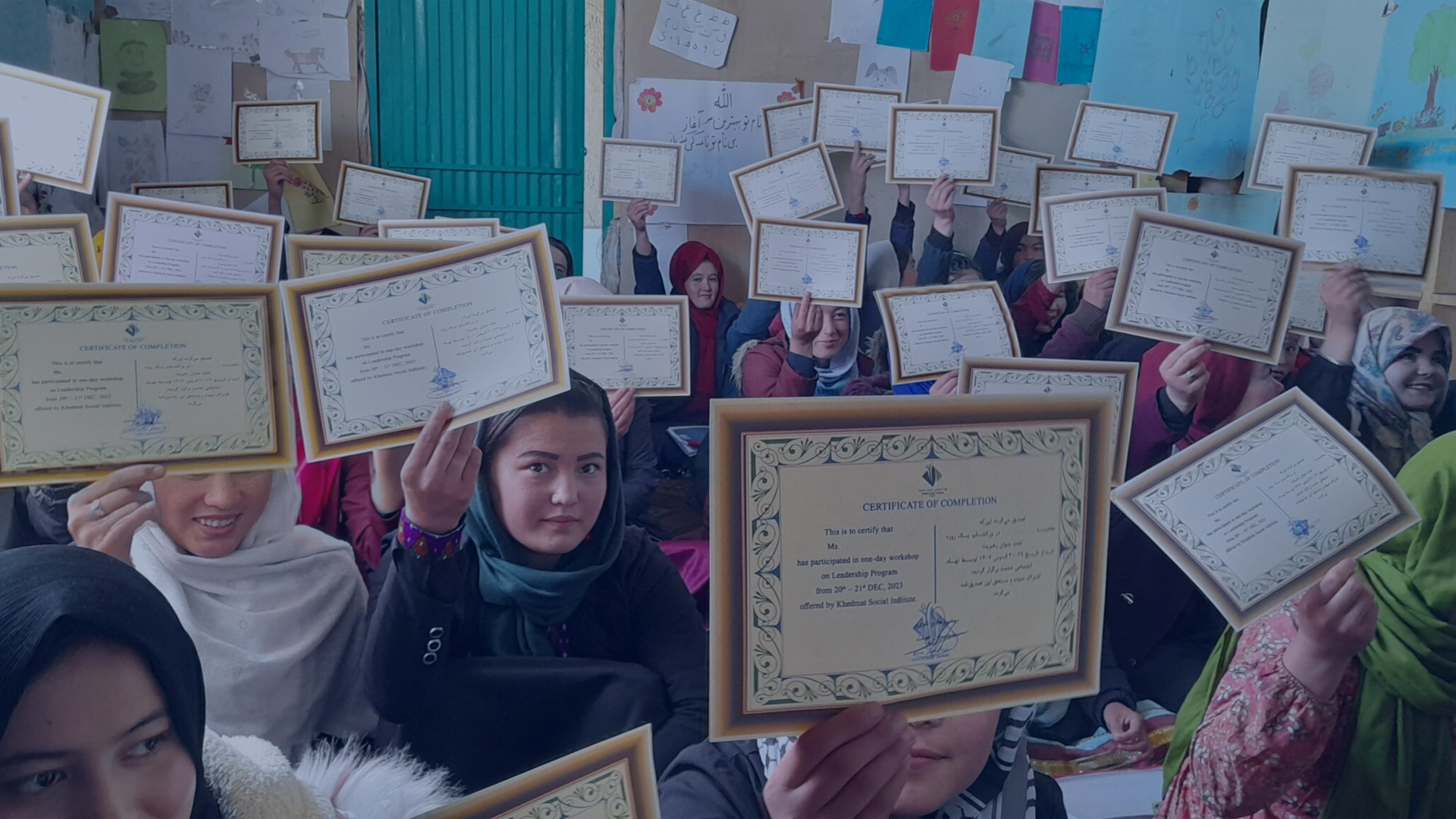
Our Story
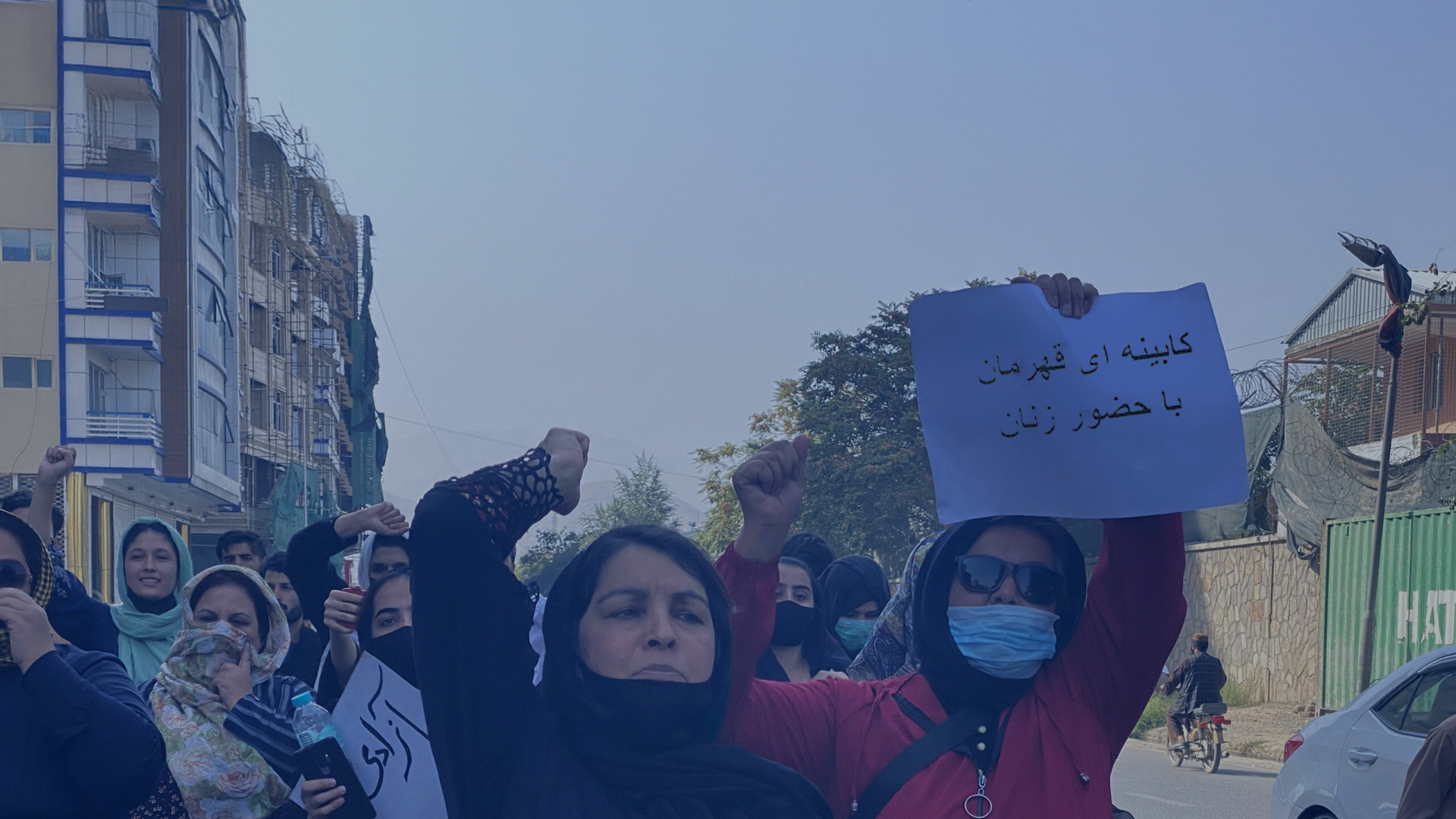
HAMRAH was born out of crisis in respond to an existential crisis facing Afghanistan following the Taliban military takeover. Afghanistan’s fragile progress was shattered overnight. Most civil society leaders were forced into exile. Women and girls disappeared from public life. Voices of dissent were silenced. Other marginalised groups such as people with disabilities, ethnic and religious minorities, and LGBTQI people were pushed further into the shadows, subject to daily violence and discrimination. But Afghan activists refused to give up.
Today, HAMRAH and its members are holding the line and refusing to abandon their democratic aspirations and a pursuit of a just and inclusive future.
HAMRAH started as a pilot initiative to support a cohort of Afghan civil society organisations, helping them to rebuild their organisations continue their fight for human rights and serve their communities. Building on the impact and cohesion of the original group, HAMRAH has transitioned into a broader network. As the name HAMRAH implies - “sharing a path” or “journey together” in Persian/Dari - we are on a collective journey to build a better future for Afghanistan.
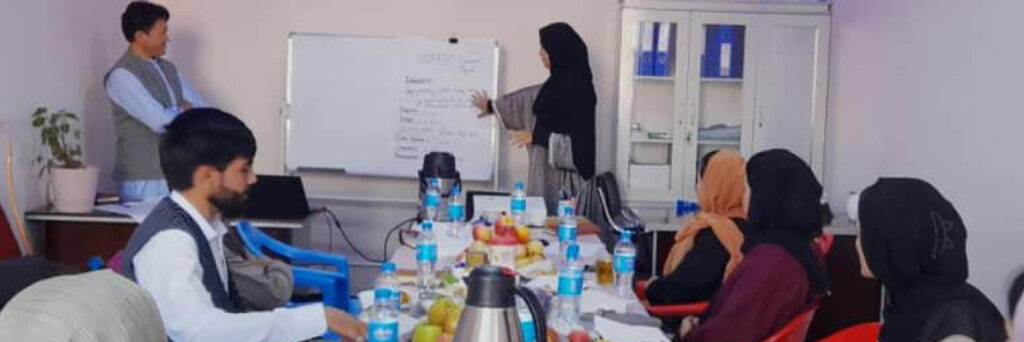
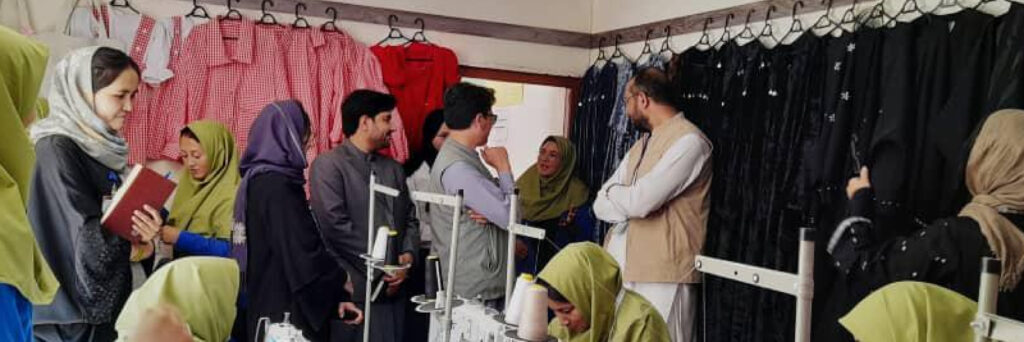
Our members work hand in hand with local communities inside the country, providing life-saving protection, education, legal aid and other services, undertaking investigative journalism and research. Together we advocate internationally for protection and inclusion of the most marginalised.
To learn more about HAMRAH’s journey, read this personal reflection by Timor Sharan, Co-Founder of HAMRAH, on the emotional and political experience of exile, and how it has become an act of defiance and endurance for Afghan activists rebuilding hope from afar. Read here

Organisational Capacity Building
HAMRAH offers a range of technical support and mentoring tailored to each cohort member’s specific needs.
Read more →
Joint Advocacy and Networking
HAMRAH supports cohort members in their own advocacy and provides a platform for their collective voices.
Read more →
Cross Learning and Knowledge Sharing
We create meaningful opportunities for shared learning and for building solidarity.
Read more →
Mentorship and Guidance
Each cohort member is connected with volunteer mentors who provide tailored professional expertise and socio-cultural support.
Read more →Our Cohort
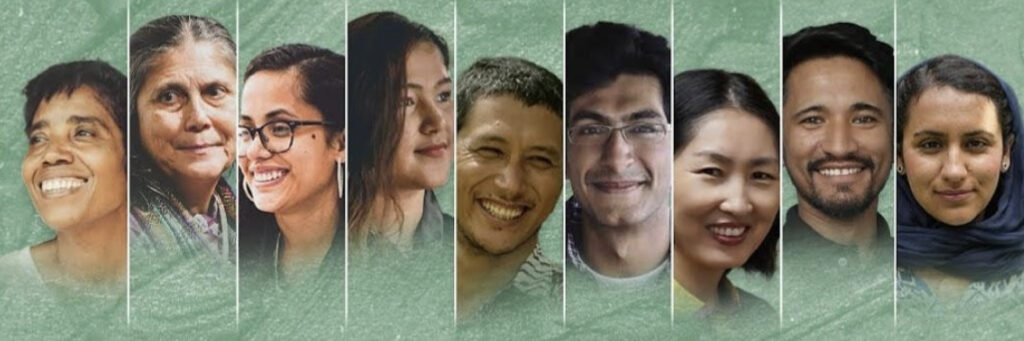
Our cohort supports those most in need in Afghanistan. Their work ranges from providing quality education for girls, supporting child literacy, fostering inclusivity and empowering people with disabilities, enabling women, girls and displaced persons to access legal aid to supporting women human rights defenders and protecting LGBTIQ+ persons. Their efforts on the ground in Afghanistan and their international advocacy works towards ensuring equal rights, safety and dignity of marginalised groups in the face of extreme deprivation and discrimination.

Our Voices – Our Fight for Change
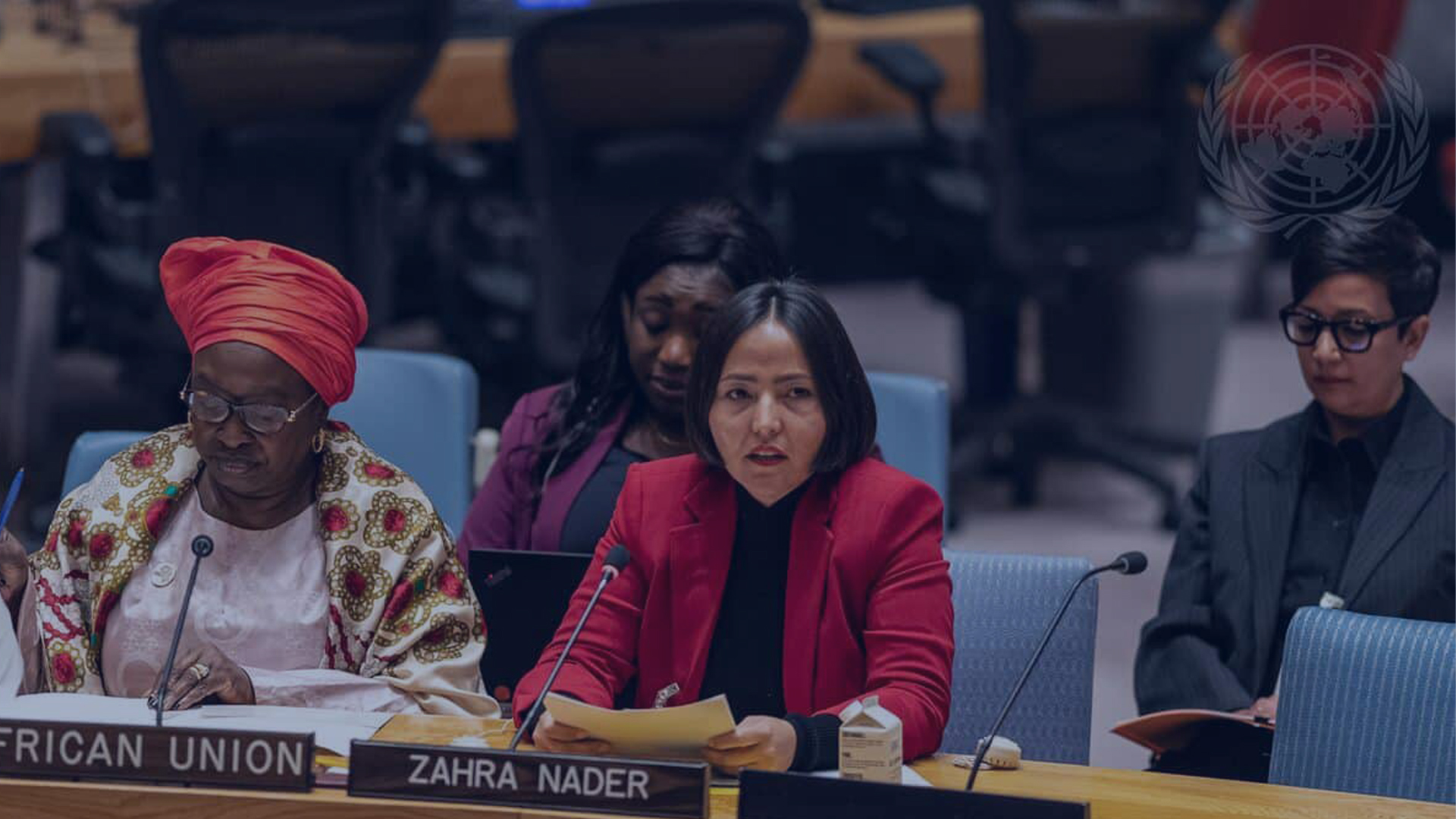
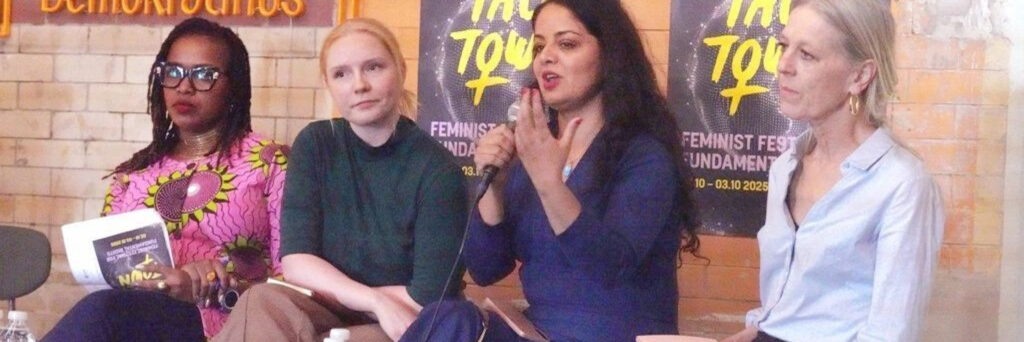
Our cohort consistently speaks out to ensure the world does not look away from the plight of marginalised communities in Afghanistan.
Quotes from our Members
While global sympathy for Afghans—especially women and girls—remains, attention on Afghanistan has waned amidst new conflicts and global crises. To bring the spotlight back and push for meaningful policy shifts, our cohort is stepping up, speaking out, and ensuring the world does not look away.


On the Ground
With their connections and extensive networks in Afghanistan, HAMRAH cohort members work with partners and communities across the country to provide protection and other vital services for women and girls, people with disabilities, LGBTIQ+ persons and other marginalised groups, and to document their experiences of living under Taliban rule.